INTERDUCTION
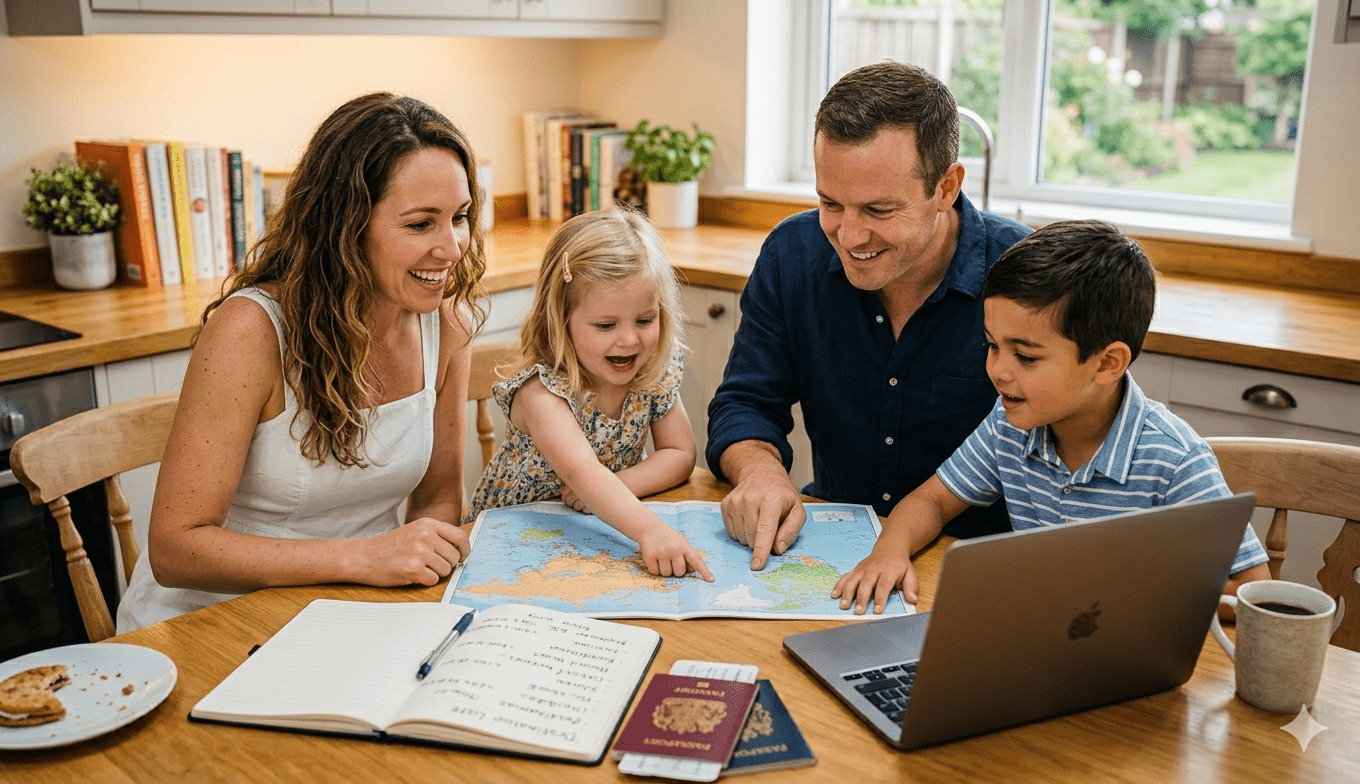
Planning a family vacation is one of the most rewarding things you can do for the people you love. But anyone who has tried to organize a trip with children knows that it takes a little more thought, patience, and preparation than solo or couple travel. From choosing a destination that works for every age group to keeping costs manageable and making sure everyone has a great time, family vacation planning involves many moving parts. This complete step-by-step guide will walk you through the entire process — so your next family travel experience is smooth, affordable, and filled with memories that your children will talk about for years to come.
Step One — Choose a Destination That Works for Everyone
The first and most important step in planning any family vacation is choosing the right destination. Unlike solo travel where one person makes all the decisions, family travel requires a destination that works for every member of the group — from the youngest child to the oldest grandparent. The best family travel destinations offer a mix of activities that appeal to different ages, have reliable safety records for tourists, provide good healthcare access in case of emergencies, and are reachable without an exhaustingly long journey. Beach destinations like Bali, the Canary Islands, and the Maldives are perennial family favorites because they offer something for everyone — swimming and sandcastles for young children, water sports and snorkeling for teenagers, and relaxation and good food for parents. Cultural destinations like Japan, Portugal, and Singapore also work very well for families because they are extremely safe, clean, well-organized, and rich in experiences that children find genuinely fascinating.
Step Two — Set a Realistic Family Travel Budget
Money is one of the biggest sources of stress in family travel planning, and the best way to remove that stress is to set a clear and realistic budget before you book anything. Start by calculating your total available travel fund and then divide it across the main expense categories — flights, accommodation, food, local transport, activities, and a contingency fund for unexpected costs. Family travel costs more per day than solo travel simply because there are more people involved, but there are many ways to keep costs manageable. Booking flights and accommodation well in advance almost always delivers significant savings. Choosing self-catering accommodation — apartments or vacation rentals rather than hotels — allows families to prepare their own meals and cut food costs dramatically. Many tourist attractions around the world offer free or discounted entry for children under a certain age, so always research family ticket prices before assuming an activity is out of budget.
Step Three — Book Flights Early and Choose Family-Friendly Routes
Flights are usually the largest single expense in any family vacation budget, so getting this right is critical. The key rule is simple — book early. Airline prices for families are particularly sensitive to timing because finding multiple seats together on the same flight becomes harder and more expensive the closer you get to the departure date. Booking six to eight weeks in advance for domestic flights and three to four months ahead for international travel gives you the best combination of availability and price. When searching for flights, use fare comparison tools like Google Flights or Skyscanner and set up price alerts so you are notified when prices drop. Consider flying into alternative nearby airports, as these often offer significantly cheaper fares than major hub airports. Always check the airline’s family seating policy before booking — some airlines charge extra to guarantee that families sit together, while others assign seats together automatically at check-in.
Step Four — Choose the Right Accommodation for Your Family
Where your family stays has a huge impact on the overall quality and cost of your vacation. Hotels are the most familiar option, but they are not always the most practical or affordable choice for families. A hotel room designed for two adults quickly feels cramped with children added, and the cost of booking multiple rooms adds up fast. Vacation rental apartments and houses — available through platforms like Airbnb and Vrbo — offer far more space, a kitchen for preparing meals, laundry facilities, and a home-like environment that works much better for families with young children. Many rental properties also have outdoor spaces, gardens, and play areas that hotels simply cannot provide. When evaluating any accommodation option, prioritize safety features — especially for families with toddlers — as well as proximity to the activities and attractions you have planned, and access to reliable local transport links.
Step Five — Plan Activities That Keep Everyone Happy
The best family vacations strike a balance between structured activities and free, unplanned time. Children — especially younger ones — need routine and regular meal and rest times, so building your daily itinerary around these needs makes the whole experience more enjoyable for everyone. Mix big-ticket experiences like theme parks, wildlife encounters, or boat trips with simpler free activities like beach time, park visits, and exploring local markets. Involve your children in the planning process — even young children have opinions about what they want to do, and giving them some ownership over the itinerary makes them more engaged and enthusiastic throughout the trip. Always research the physical demands of activities in advance, as some excursions that seem suitable for families may involve long walks, rough terrain, or age restrictions that affect younger children.
Step Six — Pack Smart for the Whole Family
Packing for a family trip is an art form that gets easier with experience. The golden rule is to pack less than you think you need — overpacking with children is a very common mistake that leads to heavy, unmanageable luggage. Pack versatile clothing items that can be layered and mixed and matched, and choose lightweight quick-dry fabrics that take up minimal space. A dedicated family first-aid kit is essential and should include child-appropriate pain relievers, antihistamines, plasters, sunscreen, and any prescription medications your family members take regularly. Pack a small bag of entertainment items for children — books, small toys, and downloaded movies or games on a tablet — that will keep young travelers occupied during long flights or transfers. Always carry snacks in your hand luggage, as hungry children on long journeys are one of the most reliable sources of travel stress known to humankind.